

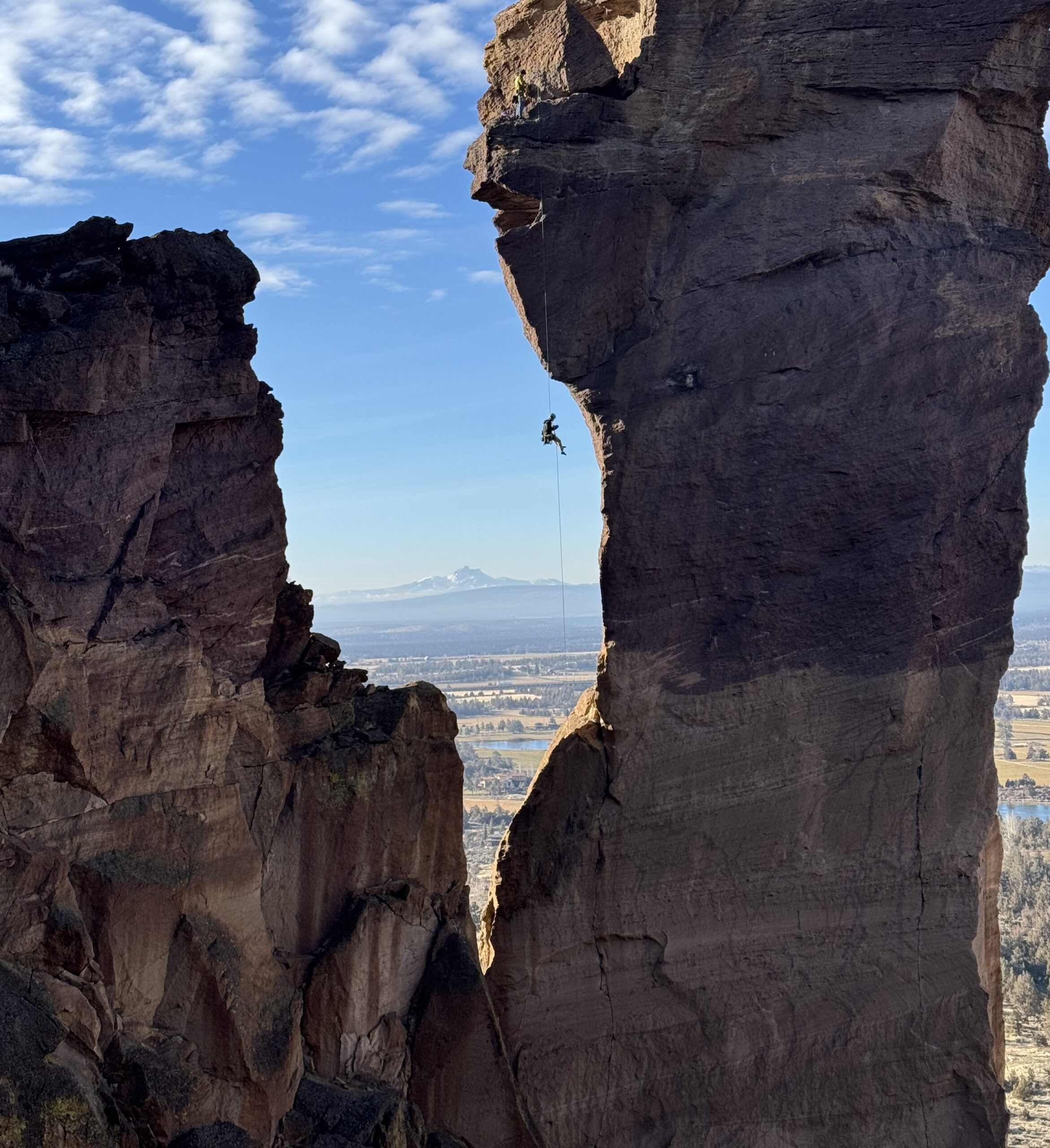
At the start of this year, I received this photo in my email from a client. When I opened it, I audibly gasped – and not for the reason you might think.
Let’s rewind.
Last year, a young man and his mother arrived my office for their first Seeing My Time® private session. He was pleasant and conversational, but I could tell he was not at all interested or convinced that these sessions would be helpful.
His mother looked at me with a mixture of hope and despair. She was in a hard place that many of us have experienced. You see, her son is an avid rock climber, and while she wanted him to continue physical activity and enjoy his pursuit, his grades were slipping.
Mom worried about his academic future and feared what giving up climbing would do to his mental health. (I think this is a pavlovian response in parents; grades go down, anxiety increases exponentially, and nagging is unavoidable.)
So, how to get this young man to engage on a deeper level? It’s all about motivation.
Where Motivation Comes From (and Where it Doesn’t)
As often happens, the concept of motivation came up early in our sessions. In previous blogs, Marydee Sklar has talked about the #1 executive functioning lie we tell ourselves (“it will only take a minute”) and the #2 EF lie (“I’ll remember to do it later”). Here is #3:
I will FEEL like doing it later.
In other words, the belief that motivation will magically appear out of nowhere. We all have a hard time finding motivation in an uncertain world, and especially those of us with Executive Function challenges. In this young man’s case, telling himself “I will do it later” was his automatic response to not having a clear picture of the space of his time.
Motivation is an important piece of the puzzle when looking at Executive Function skills. Luckily, there is research available on motivation. According to “The Behavioral Neuroscience of Motivation: An Overview of Concepts, Measures, and Translational Applications” by Eleanor H. Simpson and Peter D. Balsam, it is a biological process involving several neural pathways, neurotransmitters, the amygdala, and the prefrontal cortex. This research indicates that motivation is not magical, and that motivation and executive functions are tightly linked.
Most often my goal when working with people is to help them find ways to improve both.
Motivation: The energizing of behavior in pursuit of a goal.
This brings us back to our young mountaineer. As you may have guessed, his motivation is rock climbing. So the question changed from “how can we make him want to stay organized and get homework done” to “how can he motivate himself in order to maintain sustainable access to his passion”?
In the end, his love of climbing fueled his practice of organizing and completing his homework. He discovered that by planning, he didn’t have to choose between school and climbing. That he could do both. And his mom realized it wasn’t an either/or situation. With balance and a clear plan, she could feel confident in his choices too.
The picture up top represents a huge win for this client. Out in the open, doing what he loves. This is why I felt so emotional looking at it: not just because it’s breathtakingly beautiful but also because it represents such a powerful personal breakthrough for him.
Creating Motivation at Home
So, if you start to feel the novelty of the New Year start to fade, remember, motivation is a biological process, not magic. Here are some quick tools/hacks to get your motivation jump-started:
- Set your goal or “prediction”. Make sure it is possible.
- Print an image of your passion or motivation. Post it visibly.
- Set a date with yourself to plan making your goal happen. Don’t forget your Seeing My Time® Adult Planner System!
- Use this process to balance ‘have tos’ with ‘want tos.’
Happy planning!